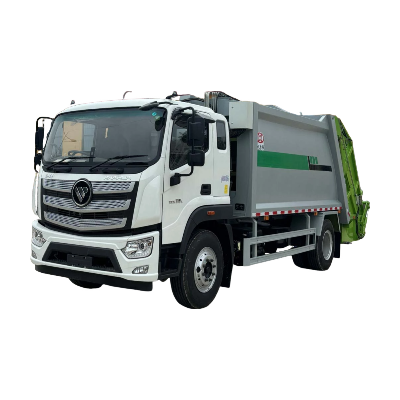
Maintenance of Compressed Garbage Trucks
The Complete Guide to Maintaining Compressed Garbage Trucks for Optimal Performance and Longevity
As urbanization accelerates and environmental regulations tighten globally, the demand for efficient waste management solutions continues to grow. Compressed garbage trucks have become indispensable assets for municipal authorities and private waste management companies, offering superior waste compaction and transportation capabilities. According to recent market analysis, the global waste management vehicle market is projected to reach $12.8 billion by 2028, with compressed garbage trucks representing a significant portion of this growth. This expansion underscores the critical importance of proper maintenance practices to protect these substantial investments and ensure operational efficiency.
Regular maintenance of compressed garbage trucks not only extends equipment lifespan but also significantly reduces operational costs. Properly maintained trucks demonstrate up to 30% better fuel efficiency and 40% fewer breakdowns compared to neglected equipment. For B2B buyers and fleet managers, implementing comprehensive maintenance protocols represents a strategic approach to maximizing return on investment while ensuring regulatory compliance and operational reliability.
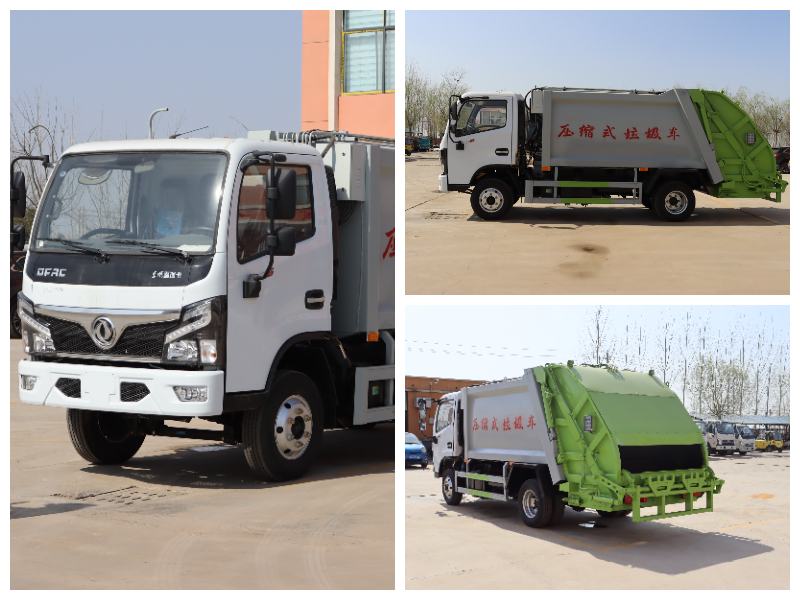
Essential Maintenance Components for Compressed Garbage Trucks
Hydraulic System Maintenance: The Heart of Compression Efficiency
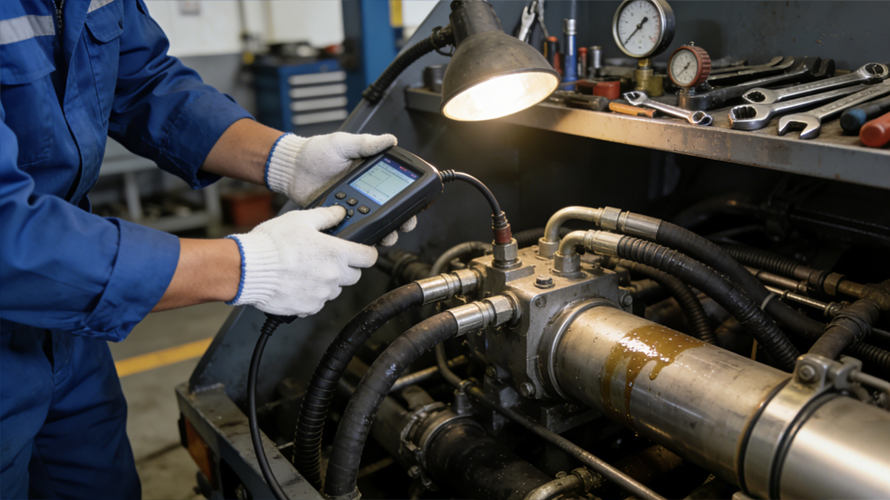
The hydraulic system serves as the critical component driving the compression mechanism in compressed garbage trucks. This complex system requires meticulous attention to maintain peak performance. Regular inspection should begin with hydraulic oil assessment—checking both oil level and quality at minimum weekly intervals. Contaminated or degraded hydraulic oil can reduce system efficiency by up to 25% and potentially damage sensitive components.
Comprehensive Hydraulic Maintenance Protocol:
Oil Quality Management: Replace hydraulic oil according to manufacturer specifications, typically every 1,000 operating hours or semi-annually
Pressure System Verification: Monthly pressure testing ensures compression systems maintain specified force levels
Component Inspection: Bi-weekly examination of hydraulic cylinders, pumps, valves, and actuators for wear or damage
Leak Prevention: Systematic checking of all hydraulic connections and seals during daily pre-operation inspections
Professional maintenance of hydraulic systems in compressed refuse trucks can prevent approximately 65% of common operational failures. Advanced fleet operations now implement sensor-based monitoring systems that track hydraulic pressure, temperature, and flow rates in real-time, enabling predictive maintenance before failures occur.
Engine and Power System Maintenance: Ensuring Operational Reliability
Modern compressed garbage trucks typically utilize diesel engines that require disciplined maintenance schedules. Engine performance directly impacts both operational efficiency and emissions compliance—a crucial consideration given increasingly stringent environmental regulations worldwide.
Engine Maintenance Best Practices:
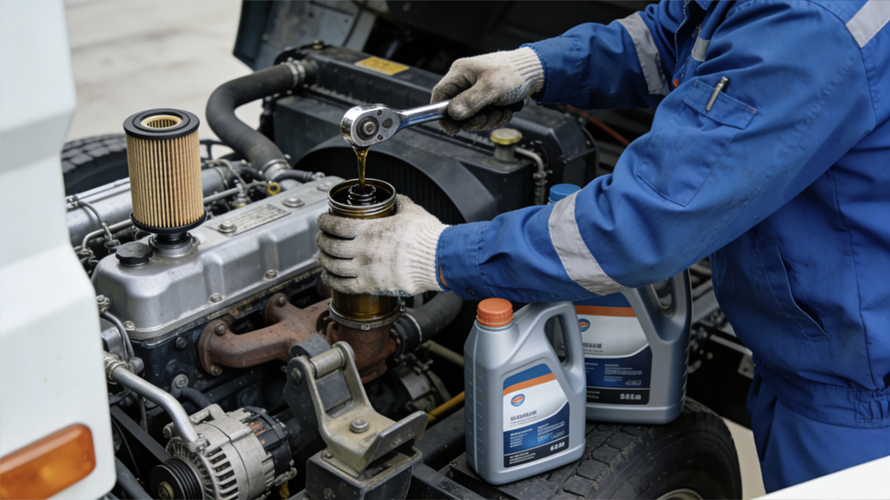
Oil Change Discipline: Replace engine oil and filters every 500 operating hours or as manufacturer recommends
Cooling System Care: Monthly inspection of coolant levels and quality, with complete system flushing annually
Fuel System Maintenance: Regular filter replacement and water separation to prevent injector damage
Emissions System Monitoring: Quarterly inspection of DPF, SCR, and EGR systems for diesel-powered compression garbage trucks
Studies indicate that proper engine maintenance can extend operational lifespan by 40% while reducing fuel consumption by 15-20%. For electric and hybrid models entering the market, specialized battery and power management system maintenance protocols are equally critical for sustained performance.
Safety-Critical Systems: Brakes, Tires, and Electrical Components
Brake System Maintenance: Non-Negotiable Safety Priority
The brake system represents perhaps the most safety-critical component in any waste management vehicle. Compressed garbage trucks operate in challenging urban environments with frequent stops and starts, making brake reliability essential for both operator and public safety.
Comprehensive Brake Maintenance Schedule:
Weekly Inspection: Visual examination of brake pads/shoes, rotors/drums, and fluid levels
Monthly Testing: Performance verification including stopping distance assessment
Quarterly Professional Service: Complete system inspection including ABS components and hydraulic connections
Condition-Based Replacement: Immediate replacement when pads reach 3mm thickness or performance degradation detected
Properly maintained brake systems not only ensure safety but also reduce operational costs by preventing collateral damage to wheels, axles, and suspension components that can occur with failing brakes.
Tire Management and Electrical System Maintenance
Tires represent the single point of contact between vehicle and road surface, making their condition fundamental to safety and efficiency. Regular tire maintenance should include:
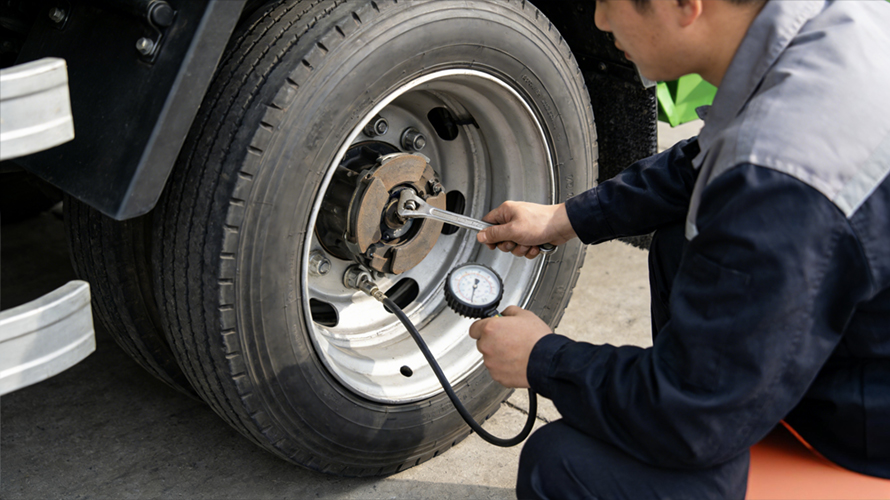
Pressure Monitoring: Daily pressure checks maintaining manufacturer-specified levels (±3 psi tolerance)
Rotation Protocol: Systematic rotation every 10,000 miles to ensure even wear patterns
Alignment Verification: Quarterly alignment checks, especially important for rear-loading compression garbage trucks
Tread Depth Management: Replacement when tread reaches 4/32" for steer tires, 2/32" for others
Electrical system maintenance has become increasingly complex with modern compressed garbage trucks incorporating sophisticated control systems, sensors, and automation features. Regular electrical maintenance should encompass:
Battery Health: Monthly testing including voltage, cranking capability, and connection integrity
Wiring Inspection: Quarterly examination for chafing, corrosion, or rodent damage
Lighting Systems: Daily verification of all operational and safety lighting
Control Systems: Diagnostic testing of compression controls and safety interlocks monthly
Specialized Maintenance for Compression and Sanitation Systems
Compression Mechanism and Body Maintenance
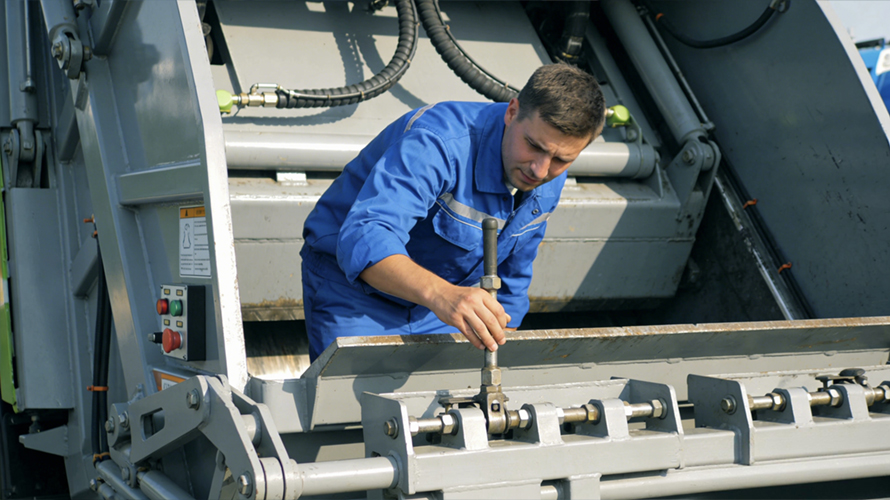
The compression system represents the specialized core functionality of compressed garbage trucks, requiring targeted maintenance approaches. Key maintenance activities include:
Daily Inspection: Visual examination of packing blades, cylinders, and guides before operation
Weekly Lubrication: Application of specified lubricants to all moving compression components
Monthly Adjustment: Tension and alignment verification for chains, cables, and hydraulic linkages
Quarterly Professional Service: Complete system inspection including wear measurement and preventive replacement
Body and sanitation maintenance addresses both operational efficiency and public health considerations:
Post-Operation Cleaning: High-pressure washing of body interior after each shift to prevent material buildup
Seal Integrity: Weekly inspection of packing blade seals and tailgate gaskets
Corrosion Prevention: Monthly inspection of vulnerable areas with touch-up painting as needed
Odor Control: Regular cleaning and disinfecting of body interior, particularly important for food waste collection
Modern manufacturing techniques have enhanced maintainability through modular component design and improved access points. Leading manufacturers now incorporate diagnostic ports that enable rapid troubleshooting of compression systems, reducing diagnostic time by up to 60%.
Industry Trends and Maintenance Innovations
The waste management vehicle industry is experiencing significant technological transformation with several trends impacting maintenance approaches:
Telematics Integration: Advanced fleet management systems now provide real-time monitoring of vehicle systems, enabling predictive maintenance scheduling based on actual usage patterns rather than fixed intervals. These systems can reduce unplanned downtime by up to 35%.
Alternative Fuel Systems: With increasing adoption of CNG, LNG, and electric power systems, maintenance protocols are evolving to address new technologies. Electric compressed garbage trucks, for example, eliminate many traditional engine maintenance requirements but introduce new considerations for battery management and high-voltage system safety.
Modular Component Design: Leading manufacturers are increasingly designing critical systems as modular units that can be quickly replaced in the field, dramatically reducing repair time and complexity.
Data-Driven Maintenance: Integration of IoT sensors throughout vehicle systems enables condition-based maintenance that addresses issues before they cause failures, optimizing both cost and reliability.
FAQ: Common Maintenance Questions from B2B Buyers
Q1: What is the recommended maintenance interval for hydraulic oil replacement in compressed garbage trucks?
A1: Hydraulic oil replacement intervals vary by manufacturer and operating conditions, but generally range from 1,000 to 2,000 operating hours. Severe operating conditions—such as extreme temperatures, continuous heavy loading, or contaminated environments—may necessitate more frequent changes. Always consult your specific model's maintenance manual and consider oil analysis testing to determine optimal replacement timing.
Q2: How can we minimize downtime during maintenance operations for our fleet of compression garbage trucks?
*A2: Implementing a staggered maintenance schedule, maintaining critical spare parts inventory, and utilizing modular replacement components can significantly reduce downtime. Many operations achieve 95%+ fleet availability through preventive maintenance scheduling during off-peak hours and keeping commonly replaced components in stock. Consider partnering with manufacturers offering mobile maintenance services or extended warranty programs with guaranteed repair times.*
Q3: Are there significant maintenance differences between diesel and electric compressed garbage trucks?
*A3: Yes, maintenance profiles differ substantially. Electric models eliminate engine oil changes, fuel system maintenance, and exhaust system repairs, reducing traditional maintenance requirements by approximately 40%. However, they introduce new maintenance considerations for battery systems, high-voltage components, and specialized electric drivetrain elements. Total maintenance costs for electric models are typically 30-50% lower than diesel equivalents, though trained technicians with high-voltage certification are required.*
Q4: What documentation should we maintain for warranty compliance and resale value preservation?
*A4: Comprehensive records should include: (1) Complete service history with dates, mileage/hours, and specific work performed; (2) Parts replacement documentation with manufacturer part numbers; (3) Fluid analysis reports if performed; (4) Inspection checklists; (5) Warranty claim documentation; and (6) Any manufacturer technical service bulletins applied. Digital record-keeping systems that integrate with vehicle telematics are increasingly becoming industry standard.*
Professional Recommendations and Action Plan
Implementing a structured maintenance program for compressed garbage trucks requires strategic planning and disciplined execution. We recommend the following action plan:
Develop Model-Specific Protocols: Create customized maintenance checklists for each truck model in your fleet, incorporating manufacturer recommendations and operational experience.
Invest in Technician Training: Ensure maintenance personnel receive regular training on evolving technologies, particularly for newer electric and hybrid models.
Implement Digital Tracking: Utilize maintenance management software to schedule services, track costs, and maintain comprehensive records for warranty and resale purposes.
Establish Parts Inventory: Maintain strategic inventory of high-failure-rate components to minimize downtime.
Conduct Regular Audits: Perform quarterly maintenance program reviews to identify improvement opportunities and adjust protocols based on failure analysis.
For B2B buyers considering new compressed garbage truck acquisitions, we strongly recommend evaluating total cost of ownership rather than just purchase price. Vehicles with superior maintainability features—such as modular components, enhanced service access, and advanced diagnostic systems—typically deliver significantly better long-term value despite potentially higher initial costs.
Take the Next Step Toward Optimized Fleet Performance
Ready to enhance your compressed garbage truck maintenance strategy or explore vehicles designed for maximum reliability and maintainability? Our technical specialists are available to conduct complimentary fleet assessments and develop customized maintenance plans tailored to your specific operations. Contact us today to schedule a consultation and receive our comprehensive maintenance planning toolkit designed specifically for waste management professionals.