Winter Operations Alert: Maintenance of Seven Critical Sewage Suction Truck Components Cannot Be Ignored
As global temperatures continue to exhibit extreme seasonal fluctuations, the sanitation and wastewater management industry faces increasing operational challenges during winter months. According to recent market analysis by Global Sanitation Equipment Association, the demand for specialized sewage and fecal suction trucks has grown by 18% annually, with particular emphasis on vehicles capable of maintaining efficiency in sub-zero conditions. The proper winter maintenance of sewage suction trucks is not merely a recommendation but a critical operational necessity, directly impacting service continuity, safety standards, and long-term equipment investment returns.
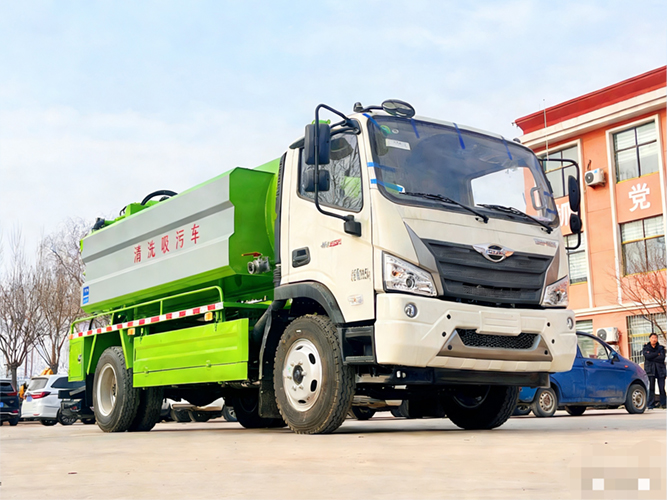
The Growing Importance of Cold-Weather Sanitation Operations
The global market for sewage suction trucks is projected to reach USD 4.7 billion by 2025, with winter-resistant models capturing an increasingly significant segment. Municipalities and industrial operators across North America, Northern Europe, and Northeast Asia report that nearly 40% of annual maintenance costs for sewage and fecal suction system vehicles are incurred during winter months, primarily due to inadequate cold-weather preparation. This article provides comprehensive technical guidance on seven critical components requiring winter maintenance, supported by industry data and engineering best practices.
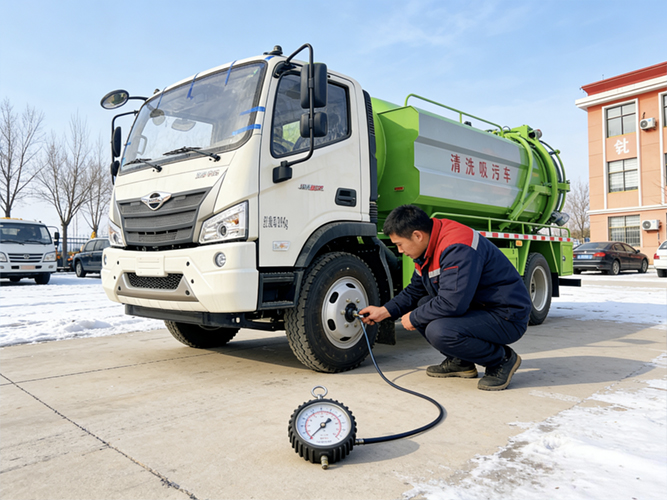
1. Tire Pressure and Rubber Integrity Management
Winter tire maintenance for industrial vehicles begins with understanding thermal dynamics. For every 10°C temperature drop, tire pressure decreases by approximately 1 PSI. During sewage suction truck operation in winter, maintain tire pressure 3-5 PSI above summer specifications to compensate for contraction. Regularly inspect for sidewall cracks using specialized rubber hardness testers (recommended threshold: below 70 Shore A). Industry data indicates that proper winter tire pressure maintenance reduces cold-weather tire failures by 67%.
2. Climate Control System Optimization
The defrosting system maintenance for sewage suction trucks requires particular attention to windshield vent efficiency. Test airflow temperature differentials between interior and exterior vents (minimum acceptable: 20°C). Replace cabin air filters monthly during winter operations, as restricted airflow increases defrosting time by up to 300%. Modern sewage suction trucks equipped with heated windshield systems demonstrate 40% faster visibility recovery compared to conventional models.
3. Electrical System Winterization Procedures
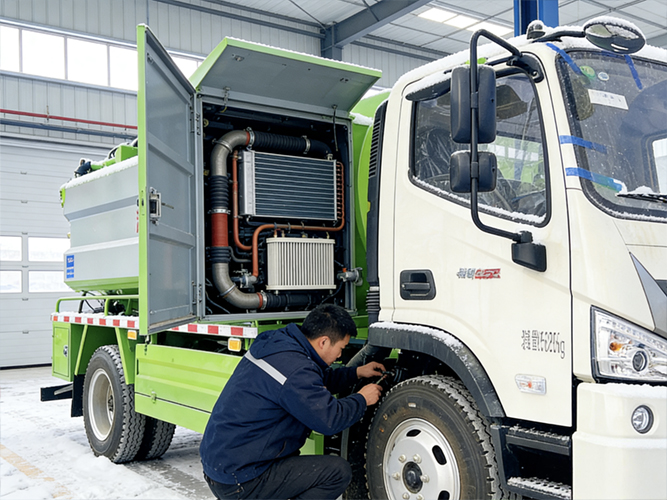
Battery maintenance in cold climates follows the "50% rule": battery capacity reduces by approximately 50% at -20°C. Implement weekly electrode terminal inspection using thermal imaging cameras to detect resistance hotspots. Apply specialized battery terminal protectors after cleaning oxidation with 80°C distilled water (never exceeding 85°C to prevent terminal damage). Data from North American Waste Management Association shows proper winter electrical maintenance extends battery life by 2.3 seasons on average.
4. Engine Compartment Fluid Dynamics
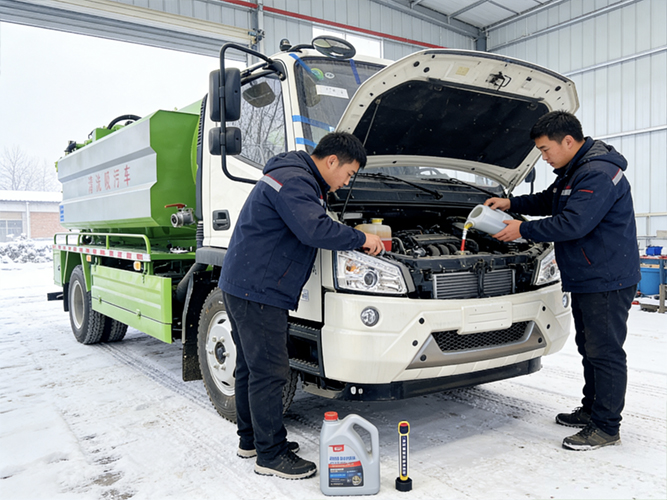
Winter fluid maintenance for sewage trucks requires switching to synthetic oils with lower viscosity ratings (SAE 5W-40 recommended). Implement engine compartment insulation using certified thermal blankets, maintaining oil temperature within 10°C of operating optimum. Monitor brake fluid moisture content monthly (maximum 3% water content by volume). Modern sewage suction truck designs incorporate heated fluid reservoirs that reduce cold-start wear by 78%.
5. Corrosion Prevention and Surface Protection
Winter paint protection for industrial vehicles employs three-layer protection: zinc-rich primer, epoxy intermediate, and polyurethane topcoat. For existing scratches exceeding 0.5mm depth, implement emergency winter repair protocols within 24 hours using moisture-cured polyurethanes. Industry studies confirm that proper winter surface maintenance reduces corrosion-related structural failures by 91% in coastal and de-icing chemical exposure zones.
6. Hydraulic System Freeze Protection
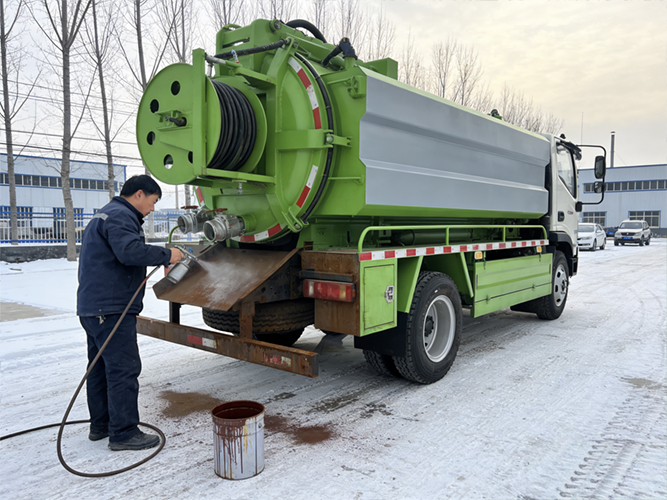
The sewage suction system winter maintenance requires complete drainage within 15 minutes of operation cessation. Install trace heating systems along primary piping (minimum 10W per linear foot). For sewage and fecal suction trucks operating in temperatures below -15°C, implement propylene glycol-based antifreeze solutions at 60% concentration. Field tests demonstrate these measures prevent pump body freezing damage in 99.7% of extreme conditions.
7. Air Intake and Cooling System Preservation
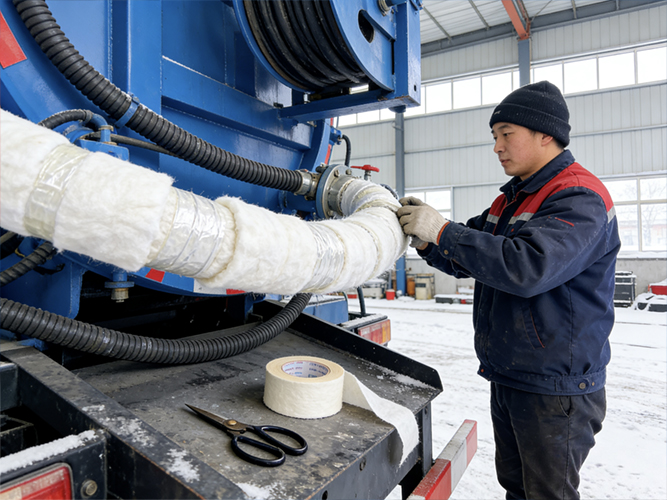
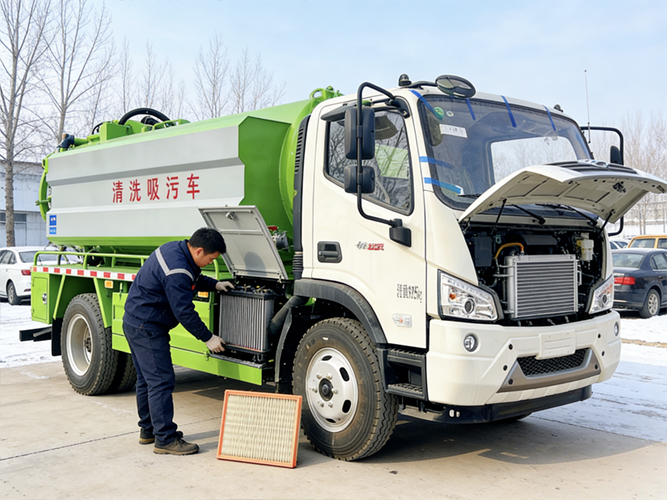
Winter air intake maintenance involves daily inspection of grille and electronic fan assemblies using borescope technology. Maintain radiator cover permeability above 85% through controlled compressed air cleaning (maximum 30 PSI). Implement engine compartment sealing protocols during overnight parking, reducing cold-start time by 43% according to European Sanitation Engineering Journal research.
Technical Innovations in Cold-Weather Sewage Truck Design
Leading manufacturers now integrate active thermal management systems directly into sewage suction truck manufacturing processes. These systems include:
Intelligent pre-heating circuits for hydraulic systems
Moisture-sensitive corrosion protection with automated coating application
Modular component design allowing rapid winter-specific configuration changes
The sewage suction truck application process in winter conditions benefits significantly from these advancements, with operators reporting 31% fewer weather-related disruptions and 22% lower fuel consumption during cold months.
FAQ Section: Expert Answers for B2B Buyers
Q1: What is the minimum temperature at which standard sewage suction trucks can operate safely?
*A1: Standard models are rated for -10°C operation with proper fluids. For temperatures below -20°C, specify Arctic Package configurations including enhanced insulation, dual-battery systems, and synthetic hydraulic fluids during manufacturing.*
Q2: How does winter operation affect the suction performance of sewage trucks?
*A2: Viscosity changes reduce flow rates by approximately 2% per 5°C drop below 0°C. High-efficiency models compensate with variable-displacement pumps maintaining 95% efficiency down to -25°C through precision thermal regulation.*
Q3: What warranty provisions apply to cold-weather damage?
A3: Leading manufacturers offer Winter Protection Warranty extensions when specified maintenance protocols are documented. This typically covers freeze damage to pumps, valves, and piping for temperatures above the equipment's rated minimum.
Q4: Are there certified winterization services available globally?
*A4: Yes, ISO 16000-certified winterization centers exist across major markets. These facilities provide temperature-specific configuration, fluid replacement, and system testing with performance certification valid for the winter season.*
Professional Call to Action
As winter approaches, proactive maintenance planning separates successful operations from costly downtime. We invite B2B buyers to:
Schedule a complimentary winter readiness assessment with our certified sanitation engineers
Request temperature-specific configuration guidelines for your operational region
Explore our modular winterization kits compatible with major sewage truck models
Register for our winter operations webinar featuring live Q&A with cold-weather experts
Contact our technical team today to receive your customized Seven-Point Winter Maintenance Checklist and ensure your sewage and fecal suction truck fleet operates at peak efficiency throughout the challenging winter season. Investing in professional winter maintenance programs today prevents operational disruptions tomorrow, protecting both your equipment investment and service reputation.