How Many Types of Garbage Trucks Are There?
A Comprehensive Guide for Municipal and Industrial Buyers
The global waste management industry is undergoing a significant transformation, driven by urbanization, stringent environmental regulations, and technological innovation. As cities expand and industrial activity intensifies, the demand for efficient, reliable, and specialized waste collection vehicles has never been higher. For B2B buyers—including municipal authorities, private waste management companies, and industrial facility operators—selecting the right type of garbage truck is a critical capital expenditure decision that directly impacts operational efficiency, compliance, and long-term cost management. This guide provides a detailed overview of the primary types of garbage trucks available on the international market, analyzing their functions, ideal application scenarios, and the latest industry trends to inform your procurement strategy.
Industry Background and Market Overview
The waste collection vehicle market is a robust segment within the larger environmental equipment industry. According to recent analyses from firms like Grand View Research and IBISWorld, the global garbage truck market was valued in the billions of USD and is projected to grow at a steady compound annual growth rate (CAGR). This growth is fueled by several key factors: rapid urbanization in Asia-Pacific and Africa creating massive municipal solid waste streams; government initiatives promoting cleaner cities and recycling; and the phasing out of older, polluting vehicles in favor of newer, eco-friendly models. The market is characterized by a diverse range of garbage truck types, each engineered for specific waste streams, from standard residential collection to the handling of specialized industrial by-products.
A Detailed Breakdown of Primary Garbage Truck Types
Understanding the functional classification of waste collection vehicles is the first step in identifying the optimal solution for your needs. The main categories are defined by their loading mechanism, compaction ability, and discharge method.
1. Compactor Garbage Trucks (Rear Loaders & Front Loaders)
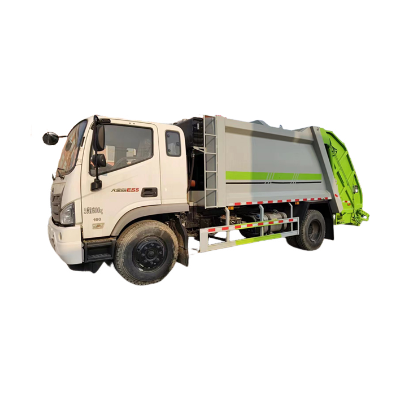
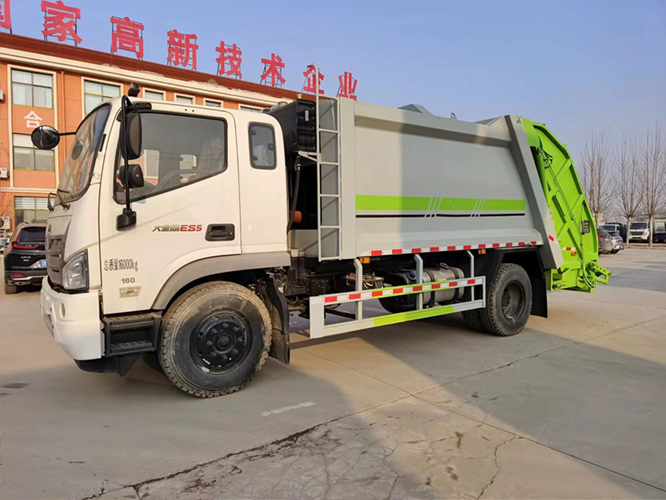
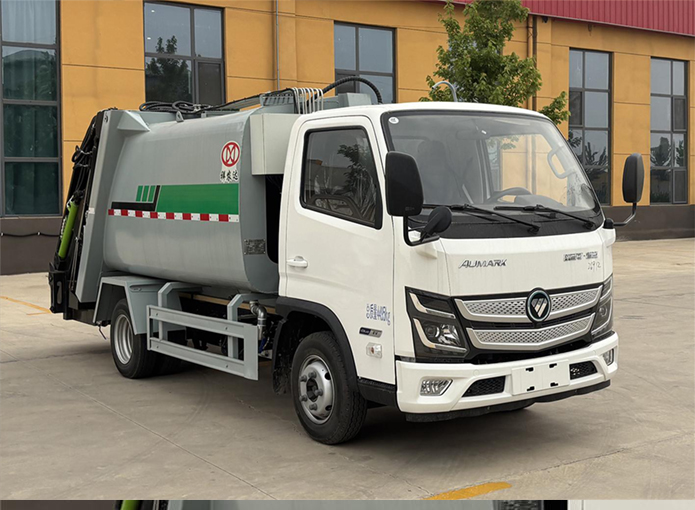
Compactor garbage trucks are the workhorses of residential and commercial waste collection. They feature a powerful hydraulic press that compresses waste within a sealed garbage truck container, significantly increasing payload capacity and reducing trip frequency to disposal sites.
Rear Loader Garbage Trucks: Commonly used for curbside residential collection. Workers manually or mechanically (via cart tipper) load bags and bins into a hopper at the rear, where the compaction cycle begins.
Front Loader Garbage Trucks: Designed for commercial dumpsters. The truck uses large, articulated arms to lift and empty standardized containers located in alleys or business parking lots directly into the top-mounted compaction chamber. These are essential for municipal garbage truck fleets and large property management companies.

2. Dump Garbage Trucks (Roll-Offs & Tippers)
This category includes trucks designed for bulk handling and transportation of non-compacted waste or large containers.
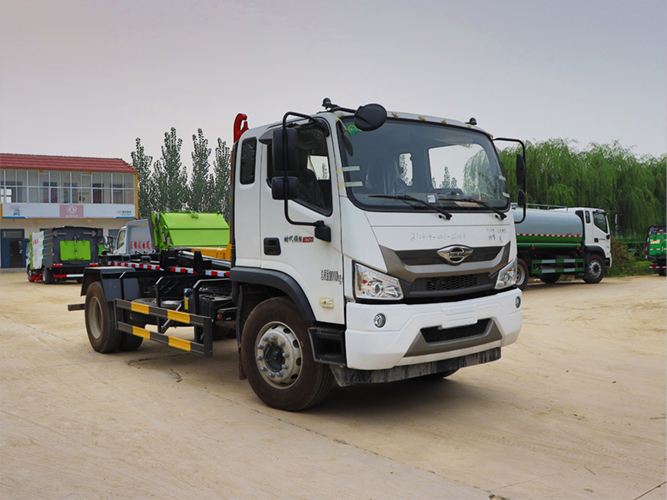
Hook-Lift Garbage Trucks (车厢勾臂式): A highly versatile system. A powerful hydraulic hook-lift mechanism allows the truck to self-load, transport, and unload different types of skid-mounted containers (roll-off containers). This makes one chassis capable of serving as a waste transfer vehicle, a storage bin transporter, or even a haulier for construction debris.
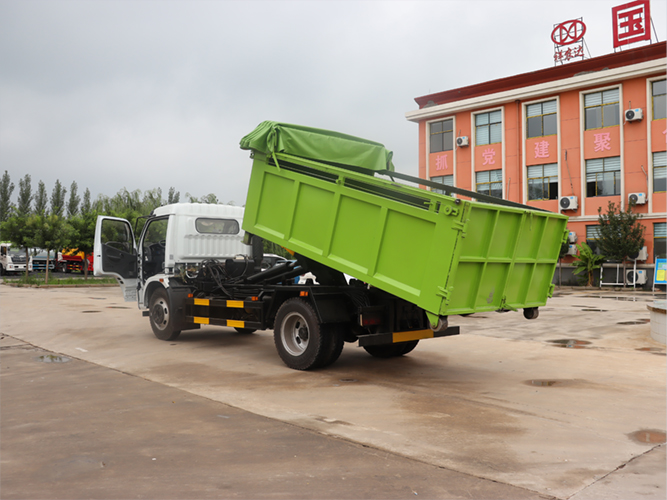
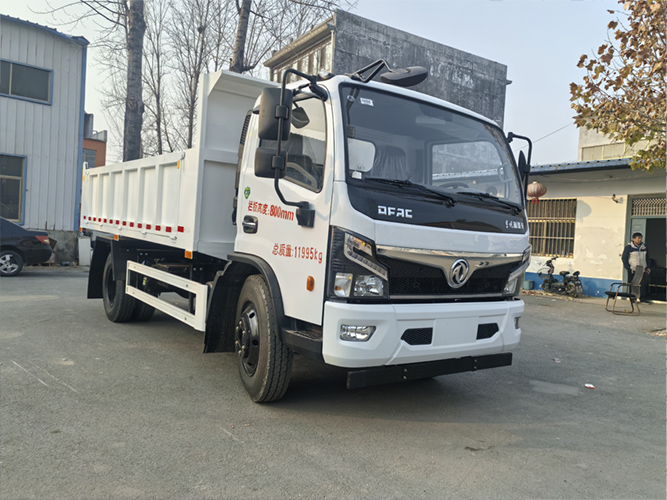
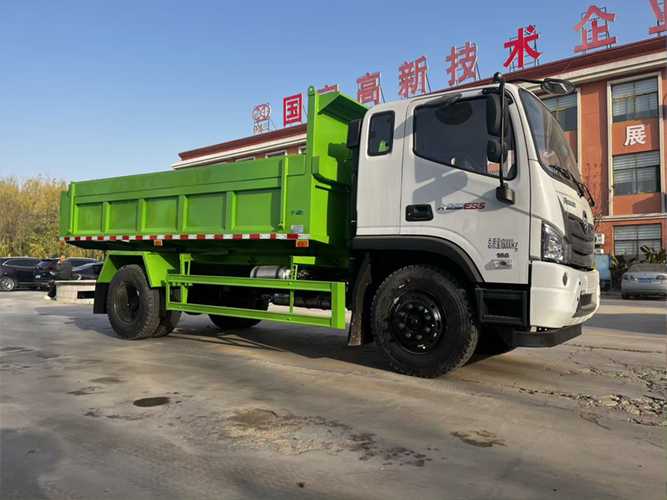
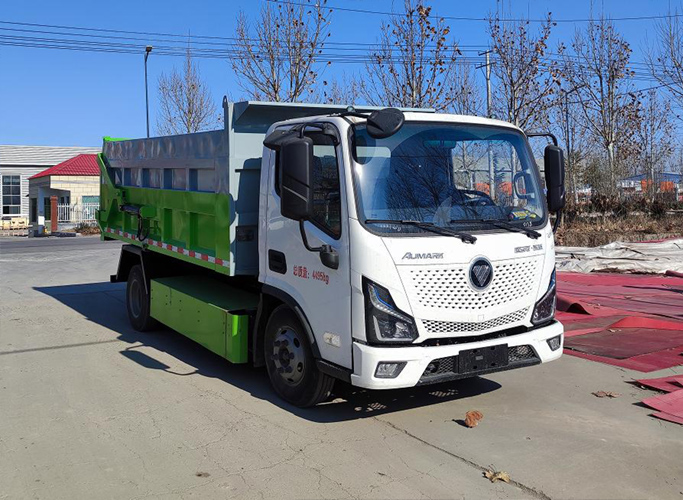
Dump Trucks (自卸式): Essentially heavy-duty tippers with an open or covered bed. They are ideal for transporting loose, non-compactable waste like construction rubble, garden waste, or collected debris from street sweeping. They are a key asset for industrial waste management.
3. Automated and Semi-Automated Side Loaders
Automation is a major trend, aiming to improve safety and efficiency.
Automatic Side Loader (ASL) Garbage Trucks: Equipped with a mechanical robotic arm controlled from the cab. The driver positions the truck, and the arm reaches out, grabs, lifts, and empties a standardized wheeled cart into the hopper. This minimizes crew size and reduces physical injury risks.
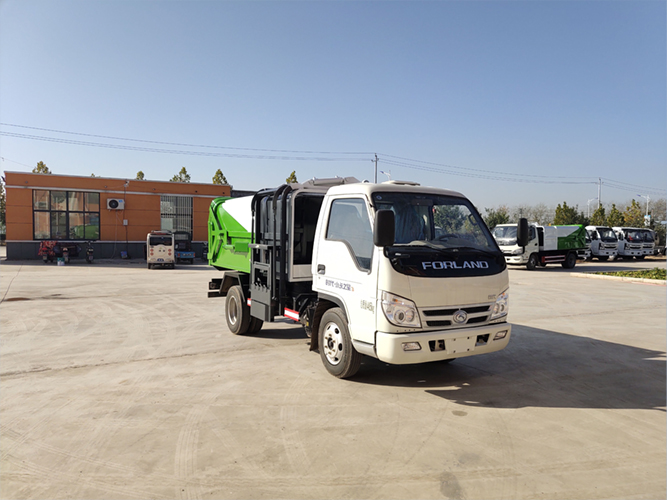
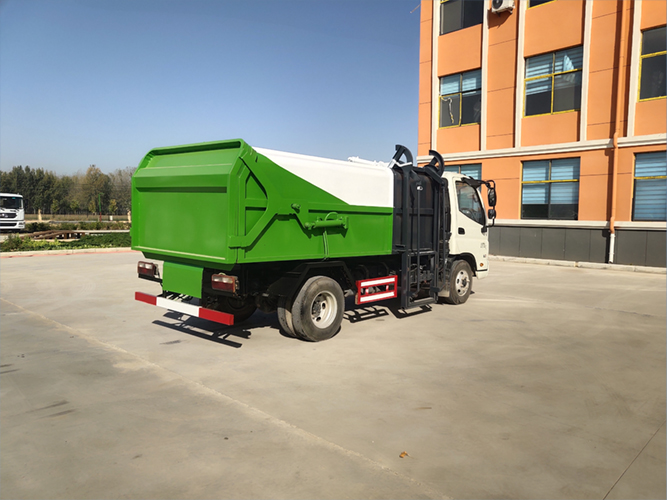
Semi-Automated / Self-Loading Garbage Trucks (自装挂桶式): Often feature a lift mechanism for standardized bins but may require some manual positioning. They strike a balance between automation and cost, popular in many developing municipalities.
4. Specialized Waste Collection Vehicles
Certain waste streams require dedicated equipment.
Food Waste (Kitchen) Garbage Trucks (餐厨垃圾车): These are critical for organic waste recycling programs. They feature a dedicated, often leak-proof and odor-controlled tank, and may include a lifting mechanism for specialized food waste carts. Separation from general waste is crucial for composting and anaerobic digestion

Garbage Transfer Trucks (垃圾转运车): These are high-capacity, often non-compacting trailers or trucks used to transport waste from local collection points (transfer stations) to distant landfills or processing facilities. Maximizing cubic capacity is their primary design goal.
5. Other Notable Configurations
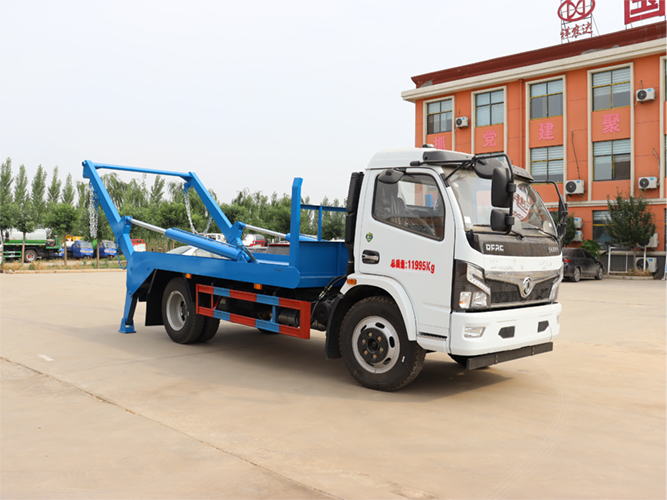
Skip Loader (摆臂式) Garbage Trucks: Use two swinging arms to engage and lift large, open-topped "skip" containers. Common in construction, renovation, and industrial settings for mixed waste.
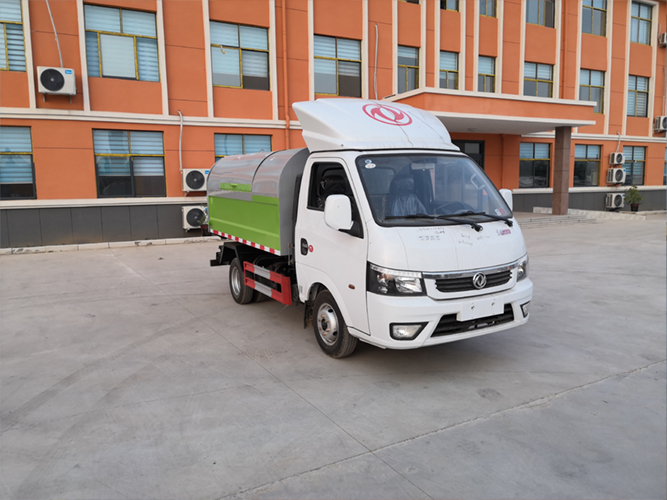
Enclosed (Box) Garbage Trucks (厢式垃圾车): Feature a fully enclosed cargo area to prevent littering and odor during transport, suitable for lightweight, dry waste or recycled materials like cardboard.
Key Trends Shaping the Future of Garbage Trucks
The industry is not static. Buyers should be aware of these dominant trends:
Electrification and Alternative Fuels: Electric garbage trucks, particularly for quiet, low-emission residential routes, are gaining traction. CNG (Compressed Natural Gas) and LNG (Liquefied Natural Gas) powered trucks are popular alternatives to diesel, offering lower emissions and operating costs.
Smart Technology Integration: Fleet management telematics, onboard weighing systems, camera monitoring, and route optimization software are becoming standard. This data-driven approach enhances efficiency, safety, and maintenance scheduling.
Increased Focus on Hygiene and Safety: Post-pandemic, features like contactless loading, better cab air filtration, and enhanced crew safety systems are higher priorities.
Material-Specific Design: As recycling mandates increase, trucks are being designed for cleaner single-stream or multi-stream collection to reduce contamination at Material Recovery Facilities (MRFs).
The Manufacturing Process: A Glimpse into Quality
High-quality garbage truck manufacturers start with a certified commercial truck chassis (e.g., from brands like Sinotruk, FAW, or international OEMs). The specialized body—whether a compactor, tank, or hook-lift system—is then engineered and fabricated. Key processes include:
Chassis Preparation: The base truck is inspected and modified (e.g., PTO installation).
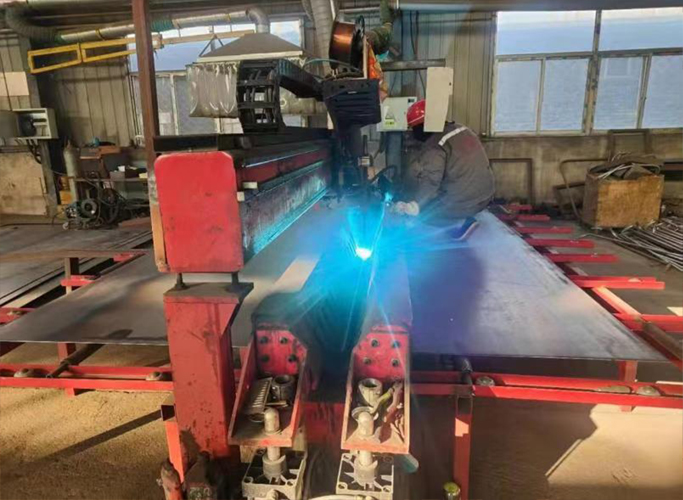
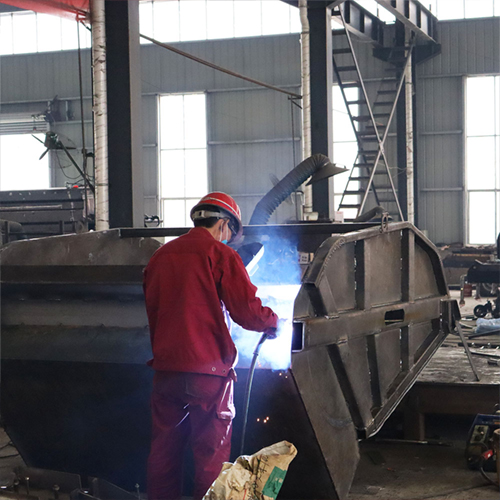
Body Fabrication: High-tensile steel is cut, bent, and welded into the main structure (hopper, tank, body panels).
System Integration: The hydraulic system (pumps, cylinders, valves), electrical controls, and loading mechanisms are installed and tested.
Finishing & Quality Control: The body is painted, and the entire vehicle undergoes rigorous functional and safety testing, including compaction force tests and leak checks for liquid-tight models like food waste trucks.
FAQ: Answers for Prospective Buyers
Q1: What is the most cost-effective type of garbage truck for starting a new municipal collection service?
A: For mixed residential waste, Rear Loader Compactor Trucks often offer the best balance of initial investment, payload capacity, and operational flexibility. For areas with standardized bins, a Semi-Automated Side Loader can reduce long-term labor costs. A detailed waste audit and route analysis are recommended before deciding.
Q2: We handle both construction debris and commercial dumpster service. Can one truck type manage both?
A: Yes, a Hook-Lift Garbage Truck (Roll-Off) is likely your most versatile solution. You can use one truck chassis with multiple specialized containers: open-top roll-offs for construction waste and compactable waste containers equipped with dumpster lids for commercial sites. This maximizes asset utilization.
Q3: Are electric garbage trucks reliable for heavy-duty compaction cycles?
A: Modern electric garbage trucks are designed with high-torque electric motors and robust battery systems specifically to handle the intense, cyclical power demands of compaction. They excel on predictable, daily routes where they can return to base for charging. Range and infrastructure are key considerations, but reliability in performance is now well-proven.
Q4: What are the most important specifications to compare when evaluating different suppliers?
A: Focus on: 1) Compaction Ratio (for compactors) – higher is better; 2) Payload Capacity – must match your waste density; 3) Hopper/Tank Volume (in cubic meters); 4) Hydraulic System Pressure and component brands (reliability indicator); 5) Chassis Compatibility and Warranty; and 6) Standard & Optional Safety Features.
Conclusion and Professional Call to Action
Navigating the diverse landscape of garbage truck types—from robust compactor garbage trucks to versatile hook-lift systems and specialized food waste collection vehicles—is essential for building an efficient and compliant waste management fleet. The right choice hinges on a clear understanding of your specific waste stream, operational terrain, regulatory environment, and total cost of ownership objectives.
Ready to Specify Your Next Waste Collection Solution?
As a leading manufacturer of specialized sanitation vehicles, we offer a comprehensive portfolio across all major types of waste collection trucks. Our engineering team can help you analyze your operational requirements and recommend the optimal configuration—whether you are a municipal authority modernizing your fleet or an industrial contractor needing a reliable dump garbage truck.
Contact our international sales team today for a detailed product catalog, specification sheets tailored to your region, and a consultation to discuss your project requirements. Let us help you invest in equipment that delivers productivity, durability, and value for years to come.