The Rise of Zero-Emission Utility Trucks: Efficiency Meets Sustainability in Municipal Operations
Executive Summary
The global shift toward sustainable urban infrastructure is driving an unprecedented transformation in municipal fleet operations. Zero-emission utility trucks, particularly battery-electric refuse trucks, street sweepers, and specialty maintenance vehicles, are transitioning from pilot projects to core components of smart city agendas. This movement is propelled by a powerful convergence of stringent environmental regulations, compelling economic advantages in total cost of ownership (TCO), and significant advancements in commercial vehicle electrification technology. For international B2B buyers—including municipal procurement officers, private waste management contractors, and fleet managers—understanding this shift is no longer optional; it is a strategic imperative for ensuring operational future-proofing, regulatory compliance, and community leadership.
Market Drivers: The Forces Electrifying Municipal Fleets
The adoption of electric utility trucks for municipal work is not a singular trend but a result of multiple, powerful converging forces reshaping the public sector and its supply chain.
Regulatory Pressure and Climate Commitments
Cities and nations worldwide are enacting ambitious climate action plans, with municipal fleet electrification as a cornerstone. Bans on fossil fuel vehicles in city centers, such as those planned across the European Union, are creating clear deadlines. Furthermore, public procurement policies increasingly mandate or incentivize low-carbon city vehicles, making zero-emission trucks the only viable long-term investment for contractors seeking government contracts.
The Compelling Economics of Total Cost of Ownership (TCO)
While the upfront capital expenditure for a battery-electric utility truck can be higher, the TCO analysis tells a different story. Electric utility vehicles offer dramatically lower fuel costs—electricity versus diesel—and reduced maintenance expenses due to far fewer moving parts (no engine oil, transmission fluid, or complex exhaust after-treatment systems). Studies from leading consultancies like BloombergNEF indicate that electric refuse collection trucks are already at TCO parity with their diesel counterparts in many regions, with the advantage growing as battery prices fall.
Technological Maturation and Performance Validation
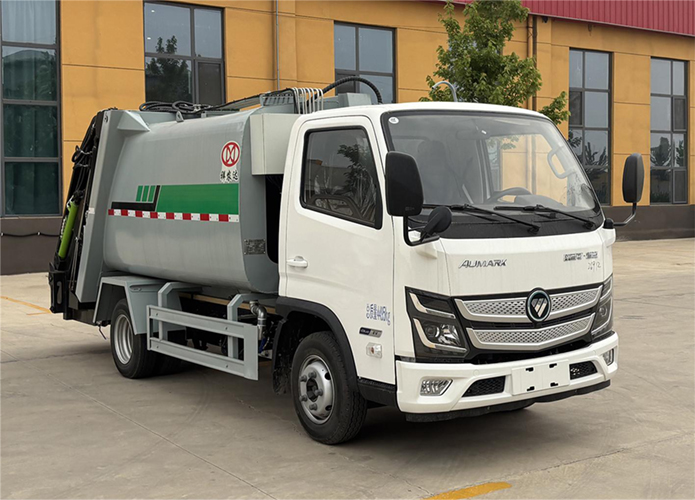
Early concerns about range, power, and durability have been decisively addressed. Modern electric municipal trucks are equipped with high-energy-density battery packs providing sufficient range for demanding daily urban routes. More importantly, electric drive-trains deliver instant torque, which is ideal for the stop-start duty cycle of waste collection, resulting in smoother operation and often superior performance in terms of hill-climbing and compaction power.
Technical Advantages: Engineering for the Future of Work
The design philosophy of next-generation zero-emission utility vehicles extends beyond the powertrain, incorporating intelligence and resilience tailored for demanding public works.
Core Powertrain and Energy Management
At the heart of these vehicles are robust electric commercial vehicle platforms. Key components include:
High-Capacity, Vehicle-Grade Battery Packs: Designed for deep-cycle endurance and long calendar life, often with active thermal management systems.
Integrated Telematics and Energy Management Software: These systems allow fleet managers to monitor real-time energy consumption, plan optimal charging schedules during off-peak hours, and pre-condition batteries, maximizing efficiency and battery health.
Regenerative Braking: This technology recovers energy during deceleration and braking—a frequent action in collection routes—directly extending operational range and reducing brake wear.
Durability and Application-Specific Design
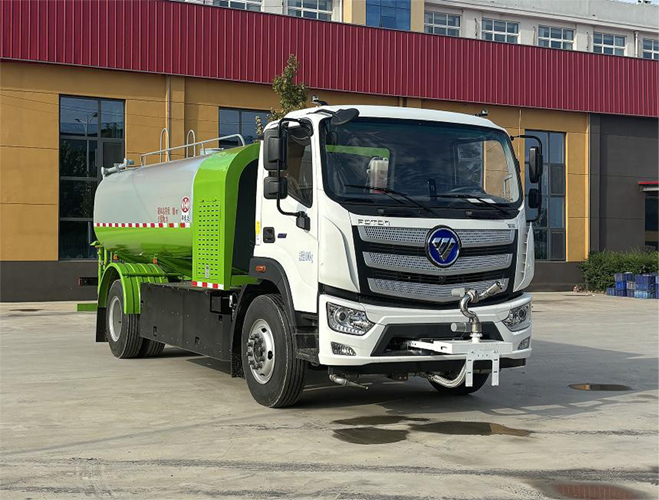
Manufacturers are not simply retrofitting electric motors into existing frames. They are re-engineering specialized electric trucks from the ground up. This involves:
Ruggedized Chassis and Body Construction: Using high-strength steels and reinforced mounting points to withstand the constant stress of loading, compacting, and road vibrations, ensuring the same 10+ year service life expected from diesel units.
Smart Hydraulic Systems: For vehicles like refuse trucks, the compactor’s hydraulic system is often powered by a dedicated electric motor, which can operate independently of the vehicle’s propulsion. This allows for efficient, low-noise compaction even when the truck is stationary at a charging point.
The Global Landscape: Data, Trends, and Regional Insights
The market for sustainable public works vehicles is experiencing exponential growth. According to a recent report by Interact Analysis, the global market for medium- and heavy-duty electric trucks is projected to grow at a compound annual growth rate (CAGR) of over 40% this decade, with municipal vehicles representing a dominant early segment.
Regional adoption patterns vary:
North America and Europe: Lead in adoption due to strong regulatory frameworks, high diesel prices, and available subsidy programs. Cities like Los Angeles, London, and Copenhagen have published definitive electrification roadmaps for their entire municipal fleets.
Asia-Pacific: China is the world’s largest market for new energy commercial vehicles, driven by national policy. Markets like Singapore, South Korea, and Australia are rapidly accelerating pilot programs and procurement.
Emerging Markets: While facing different economic priorities, mega-cities in Latin America, Africa, and Southeast Asia are increasingly viewing electric utility truck solutions as a way to leapfrog to cleaner, quieter, and more efficient urban services, often supported by international development financing.
Overcoming Adoption Barriers: Infrastructure and Integration
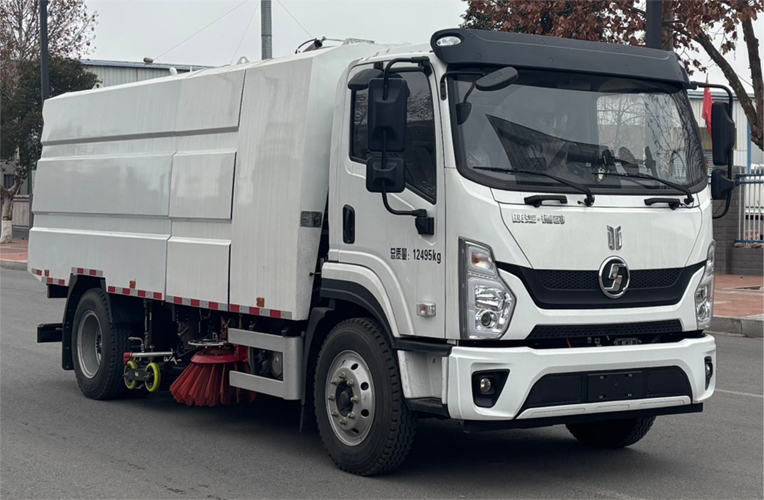
The transition to a zero-emission municipal fleet involves strategic planning beyond the vehicle purchase. Two critical considerations are:
Depot Charging Infrastructure: Successful deployment hinges on installing sufficient charging capacity at fleet depots. This requires electrical grid assessment, potential upgrades, and smart charging management to balance power demand.
Workforce Training and Transition: Maintenance technicians require new skill sets focused on high-voltage electrical systems and diagnostics, while drivers benefit from training to maximize range through efficient driving techniques.
FAQ for Municipal and Commercial Fleet Buyers
Q1: What is the realistic range of an electric refuse truck on a single charge, and can it handle our heaviest routes?
Modern electric refuse collection vehicles typically offer a range of 100-150 kilometers (60-90 miles) on a single charge, which is more than sufficient for the vast majority of fixed urban routes. The instant torque ensures full performance even on hilly terrain. Route simulation using your specific data is a critical step offered by leading manufacturers to guarantee suitability.
Q2: How do we manage the higher upfront cost, and what is the true Total Cost of Ownership (TCO)?
Financing models, including green leases and power purchase agreements (PPAs), are evolving to address capex. The TCO, calculated over an 8–10-year lifecycle, is increasingly favorable. Savings of 30-50% on fuel and 20-40% on maintenance are common, often leading to a net positive return on investment within 3-5 years, especially with available government grants and subsidies factored in.
Q3: Our depot has limited power capacity. How can we possibly charge multiple large electric trucks?
This is a common and addressable challenge. Solutions involve smart charging systems that stagger charging times overnight to avoid peak demand, and depot energy management that can integrate with on-site solar generation and stationary battery storage. A phased implementation plan, starting with a few vehicles and scaling infrastructure alongside, is the recommended strategic approach.
Q4: Are these vehicles reliable in extreme weather conditions, both hot and cold?
Yes. Leading electric utility trucks are engineered for global operation. Battery packs feature active liquid cooling and heating systems to maintain optimal temperature ranges. Extensive testing is conducted in extreme climates to ensure reliable start-up, performance, and range retention (with appropriate derating calculated for severe cold, as is standard for all vehicle types).
Strategic Conclusion and Call to Action
The era of the zero-emission utility truck has arrived. This is not a speculative future but a present-day reality delivering tangible operational, financial, and environmental benefits. For forward-thinking cities and service providers, the transition is a strategic investment in cleaner air, quieter neighborhoods, reduced operational volatility from fuel prices, and a demonstration of civic leadership.
Begin Your Fleet’s Strategic Transition Today.
The journey to an optimized, sustainable fleet requires planning and partnership. We advise taking these decisive steps:
Conduct a Route and Feasibility Analysis: Partner with a manufacturer to model your specific duty cycles and energy needs.
Explore Financing and Incentive Programs: Identify available grants, subsidies, and green financing options in your region to structure a viable business case.
Schedule a Live Demonstration: Experience the performance, quiet operation, and driver ergonomics of a modern electric municipal truck firsthand.
Develop a Phased Implementation and Infrastructure Plan: Start with a pilot program to build internal expertise and integrate charging solutions seamlessly.
Contact our specialized municipal fleet electrification team today for a detailed consultation, a customized TCO analysis for your operations, and to schedule a demonstration. Let us help you transform your essential services into a pillar of your community’s sustainable future.