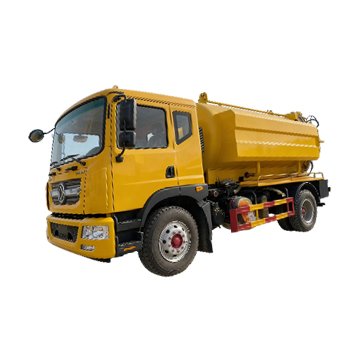
What is the difference between a sewage suction truck and a septic suction truck
Sewage vs. Septic Suction Trucks: A Comprehensive Guide for Industrial Buyers
Understanding the critical distinction between a Sewage Suction Truck and a Septic Suction Truck is fundamental for making an informed investment in waste management equipment. While they may appear similar to the untrained eye, these trucks are engineered for distinctly different waste streams, operational environments, and regulatory standards. For municipal agencies, industrial facility managers, and waste service contractors, choosing the incorrect type can lead to equipment damage, operational inefficiency, and significant compliance issues. This guide delves into the technical specifications, applications, and market considerations to equip B2B buyers with the knowledge needed to select the optimal vehicle for their specific operational requirements.
Core Functional Differences: Application and Design
The primary difference lies in their intended use and the nature of the waste they handle. This fundamental distinction dictates their design, components, and capabilities.
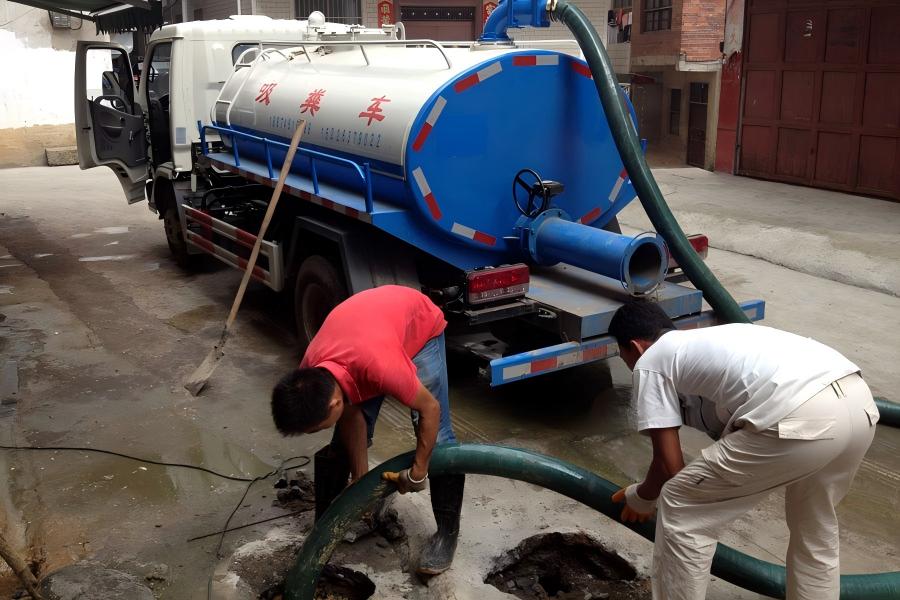
A septic suction truck, often called a vacuum excavator or cesspool emptier, is designed primarily for onsite sanitation systems. Its key function is to evacuate raw, concentrated fecal sludge and semi-solid waste from septic tanks, cesspits, portable toilets, and residential or commercial holding tanks. The waste is typically high in viscosity, solids content, and organic strength.
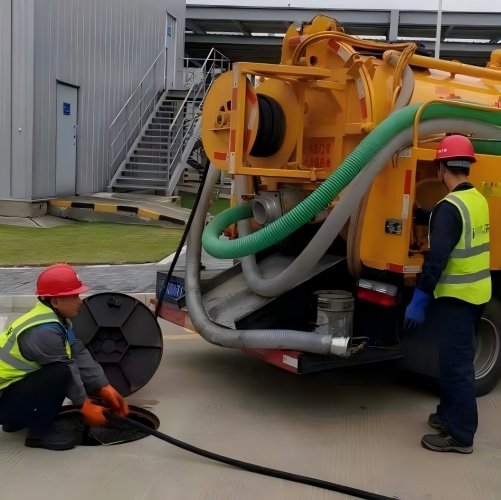
In contrast, a sewage suction truck is built for municipal and industrial wastewater management. It handles a broader range of liquid and semi-liquid wastes from municipal sewer lines, storm drains, sump pits, industrial processing tanks, and spill cleanup sites. The material is often more liquid, may contain abrasive industrial sludge, and requires handling larger volumes from engineered pipelines and containment systems.
The following table summarizes the key operational distinctions:
| Feature | Septic Suction Truck | Sewage Suction Truck |
Primary Application | Emptying septic tanks, cesspits,portable toilets. | Cleaning municipal sewer linesindustrial sumps, spill recovery. |
| Waste Type | High-viscosity fecal sludge, semi-solids. | Liquid wastewater, industriasludge, slurries, debris. |
| Key Design Focus | Handling thick solids, odorcontainment. | High-volume liquid transfer pipeline debris removal. |
Common Accessories | Heavy-duty chopper pumps,smaller diameter hoses. | High-pressure water jets, dredgingheads, longer hoses. |
Technical Specifications and Industry Trends
The global market for specialized vacuum trucks is projected to grow steadily, driven by stringent environmental regulations, rapid urbanization requiring municipal sewer maintenance, and increasing investment in industrial waste processing. A discernible trend is the rising demand for multi-functional combination sewer cleaners that integrate high-pressure water jetting with vacuum suction, effectively bridging the capabilities of both traditional septic and sewage units.
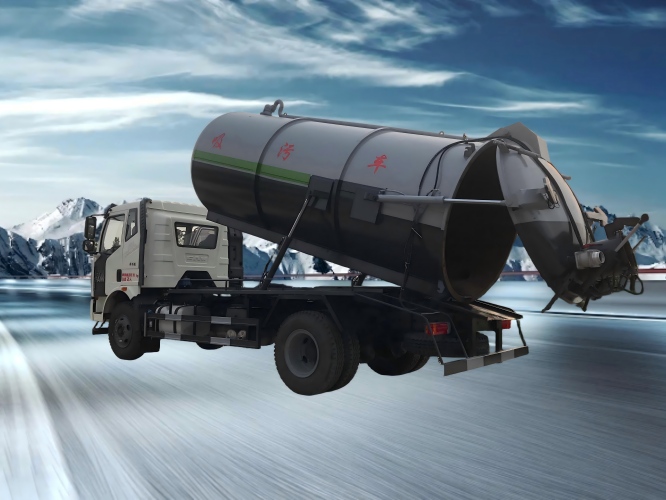
From a technical standpoint, a septic suction truck typically features a powerful vacuum pump and a tank designed to handle dense, solid-heavy material. Many models incorporate maceration or chopper pumps to break down large solids before they enter the tank, preventing clogs. Tank capacities often range from smaller, more maneuverable units (1,000-3,000 gallons) for residential service to larger trucks for municipal contracts.
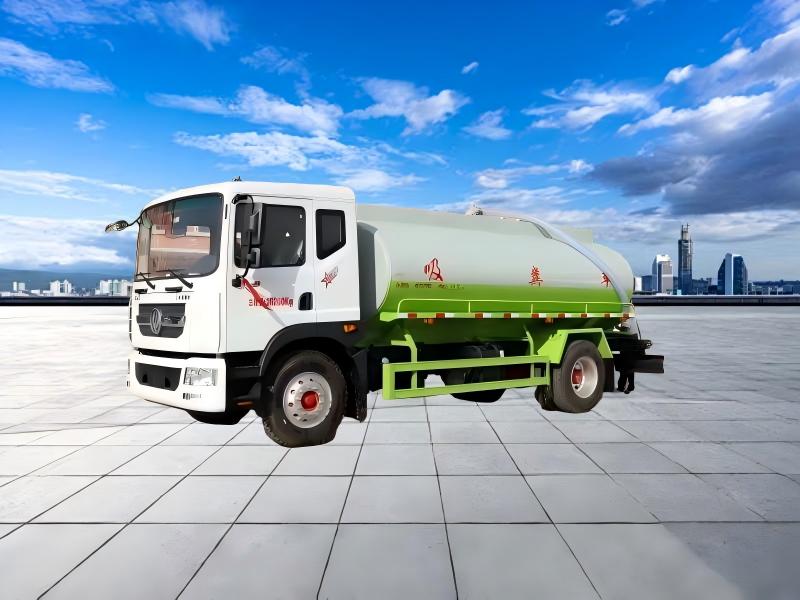
A standard sewage suction truck or industrial vacuum loader prioritizes large-capacity tanks (often 3,000 gallons and above) and high airflow vacuum pumps for efficient liquid transfer. For municipal sewer cleaning, these trucks are frequently paired with a sewer jetter system—a high-pressure water pump and hose reel—to scour and flush pipe walls before vacuuming out the dislodged debris. This combination sewer cleaner is a dominant configuration in the market. Key manufacturing considerations include the use of corrosion-resistant materials like stainless steel or coated carbon steel for the tank, advanced moisture separation systems to protect the vacuum pump, and safety features like anti-overflow valves and grounding systems for hazardous environments.
FAQ: Answering Common Buyer Questions
Q1: Can one truck handle both septic and sewage cleaning jobs?
While a heavily built sewage suction truck with a chopper pump might occasionally handle septic waste, it is not recommended as a standard practice. Using a septic truck for industrial sewage may expose it to corrosive chemicals or abrasives it wasn't designed for, shortening its lifespan. For operations requiring both services, investing in a robust combination cleaner designed for industrial waste or maintaining separate, purpose-built fleets is the most efficient and cost-effective long-term strategy.
Q2: What are the most critical specifications to compare when evaluating models?
Focus on: Tank Material and Capacity (size and corrosion resistance), Vacuum Pump Performance (CFM of air displacement and maximum vacuum level), Power Source (PTO-driven or independent engine), and Safety & Control Systems. The required suction hose diameter and length and the availability of jetting or dredging attachments are also crucial decision factors based on your primary applications.
Q3: How do environmental regulations impact the choice of truck?
Regulations governing waste transportation and disposal are critical. Septic sludge often requires delivery to specific wastewater treatment plants or agricultural processing facilities. Industrial and municipal sewage sludge may be subject to different testing, handling, and disposal protocols. The truck itself may need certifications for explosion-proof operation in certain industrial settings or specific emissions standards (like EPA Tier 4) depending on the region of operation.
Making the Strategic Choice for Your Business
Selecting between a septic suction truck and a sewage suction truck is not merely a purchase decision; it is a strategic investment in your operation's efficiency, compliance, and profitability. Misapplication can result in chronic breakdowns, insufficient cleaning power, and failure to meet contract or regulatory standards.
For buyers specializing in residential or commercial septic tank services: A dedicated, robust septic suction truck with strong solids-handling capability is the cornerstone of your fleet.
For municipal public works departments or industrial maintenance contractors: A high-capacity sewage suction truck or a versatile combination sewer cleaner is essential for maintaining infrastructure and managing liquid waste streams.
Ready to Optimize Your Fleet with the Right Equipment?
Don't let equipment mismatch limit your operational potential or expose you to compliance risks. Contact our specialist team today for a personalized consultation. We will analyze your specific service requirements, operational environment, and regulatory landscape to recommend the precise sewage suction truck or septic suction truck configuration that delivers maximum reliability, efficiency, and return on investment. Request a detailed specification sheet or schedule a virtual product demonstration to see our engineered solutions in action.