Which Garbage Compactor Truck Is Best for Africa? Rear Loader vs Side Loader vs Hook Lift
An African city of two million residents generates somewhere between 400 and 800 tonnes of municipal solid waste every single day. Whether that waste is collected on time — or piled up in markets and drains — usually comes down to one decision: which garbage compactor trucks you put on the street.
There is no single "best" truck. There is only the truck that fits your waste volume, your bin type, your roads, and your maintenance budget. This guide compares the three mainstream configurations — rear loader, side loader (with 240L bin arm) and hook lift — and tells you when each one is the right call in real African operating conditions.
1. First, understand what actually drives your choice
Before comparing models, three local realities usually matter more than any spec sheet:
Road conditions — a 12 m³ heavy compactor is useless if your collection routes include unpaved or narrow lanes.
Bin inventory — cities standardized on 240L plastic bins need a different truck than cities using skip containers or open dumping.
Maintenance reach — a sophisticated unit you can't service is a parked unit. Parts availability and simple, robust build matter.

2. Rear loader garbage trucks — the workhorse
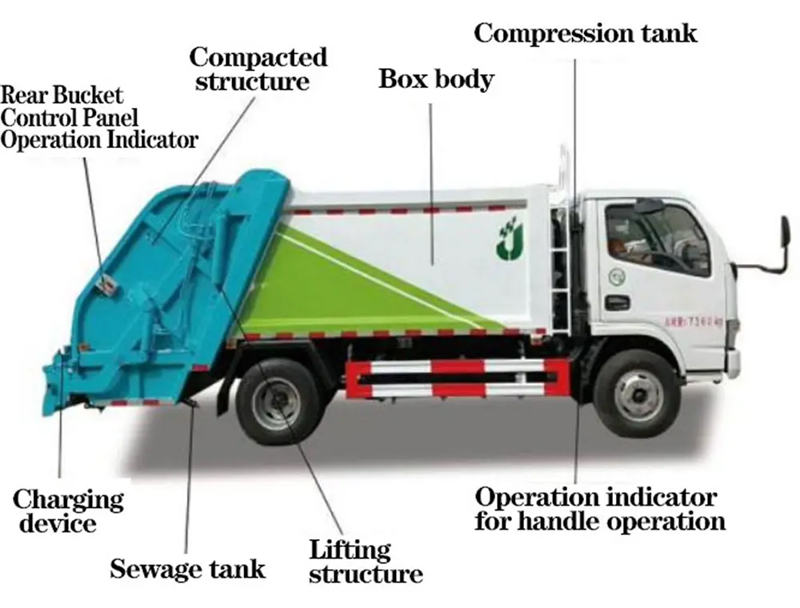
How it works: Crews load waste at the rear opening; a pushing plate and compactor ram compress it into the body, so the truck carries far more per trip.
Where it wins in Africa: Best compaction ratio → fewer trips = lower diesel & labour; great for curbside collection with loaders; higher payload efficiency over its life.
Watch out for: Needs a small crew of loaders behind the truck; body size & turning radius can be a problem on tight streets.
Best fit: Cities & private contractors doing daily curbside collection along established routes.
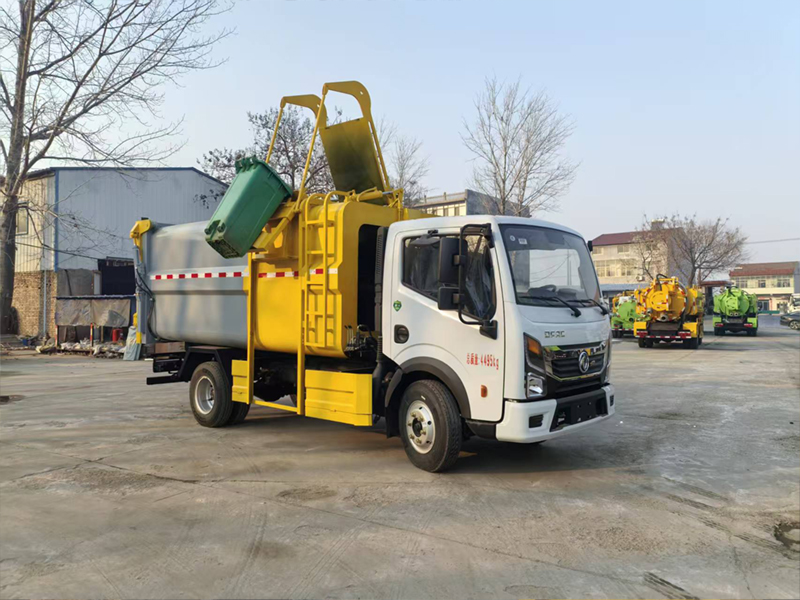
3. Side loader garbage trucks (240L–1100L bin arm) — the low-labour option
How it works: A mechanical arm grabs one bin at a time from the side and empties it (often behind a compactor). One operator runs collection with no manual loaders.
Where it wins: Dramatically lower labour & faster routes on standardized bins; very common where 240L roll-out bins are the standard (many African municipalities & estates); safer for crews.
Watch out for: Needs standardized bin types; smaller volume per stop than a rear loader's open body.
Best fit: Subdivisions, estates, commercial zones, municipalities with roll-out bins — great for cutting rising labour costs.
4. Hook lift (hook loader) garbage trucks — the multi-purpose option
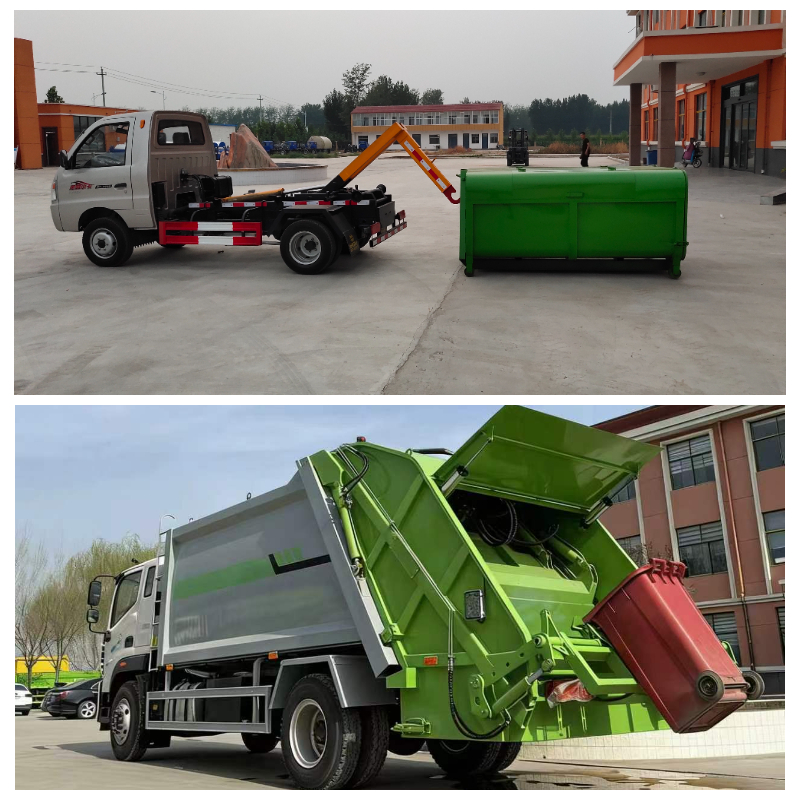
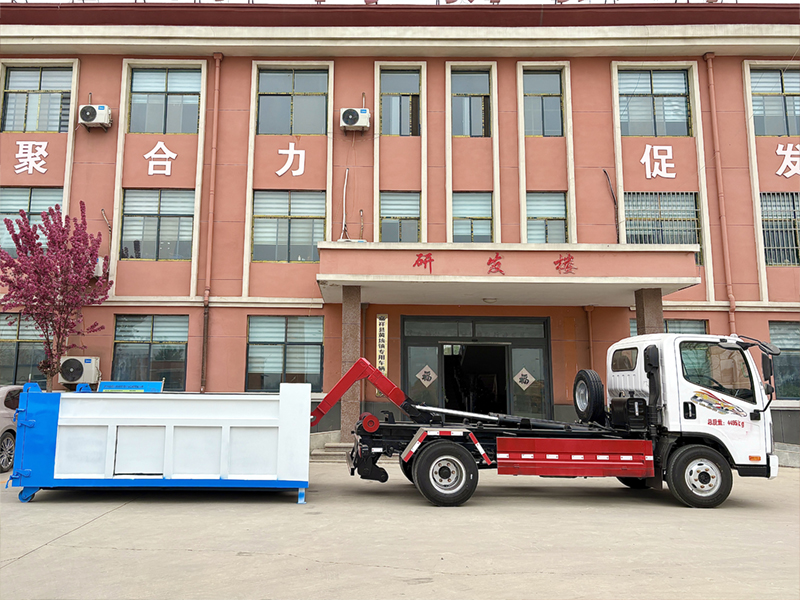
How it works: A hydraulic hook arm lifts a detachable container; one truck serves multiple skip containers across sites.
Where it wins: One truck + several skips covers markets, construction waste, transfer points flexibly; same chassis switches containers/waste streams; fast swap keeps the truck moving.
Watch out for: Lower compaction (open skips) → better for bulky/transfer than dense household waste.
Best fit: Market waste, bulky debris, transfer-and-transport, operators needing one flexible chassis.
5. Side-by-side comparison table
| Feature | Rear Loader | Side Loader (240L arm) | Hook Lift |
|---|---|---|---|
| Best compaction | Excellent | Good | Low–medium |
| Manual loaders needed | Yes (2–4) | No (1 operator) | Minimal |
| Standard bins (240L) fit | Partial | Excellent | No (skips) |
| Narrow/unpaved streets | Medium | Good | Medium |
| Route speed/labour cost | Higher labour | Lowest | Low |
| Multiple-use flexibility | Low | Low | High |
| Typical body (municipal) | 6–12 m³ | 4–8 m³ | 6–16 m³ + skips |
| Maintenance complexity | Medium | Medium (arm) | Low |
| Best for (Africa) | Daily curbside collection | Standardized-bin estates | Markets/bulky/transfer |
6. Which chassis & spec to ask your supplier for
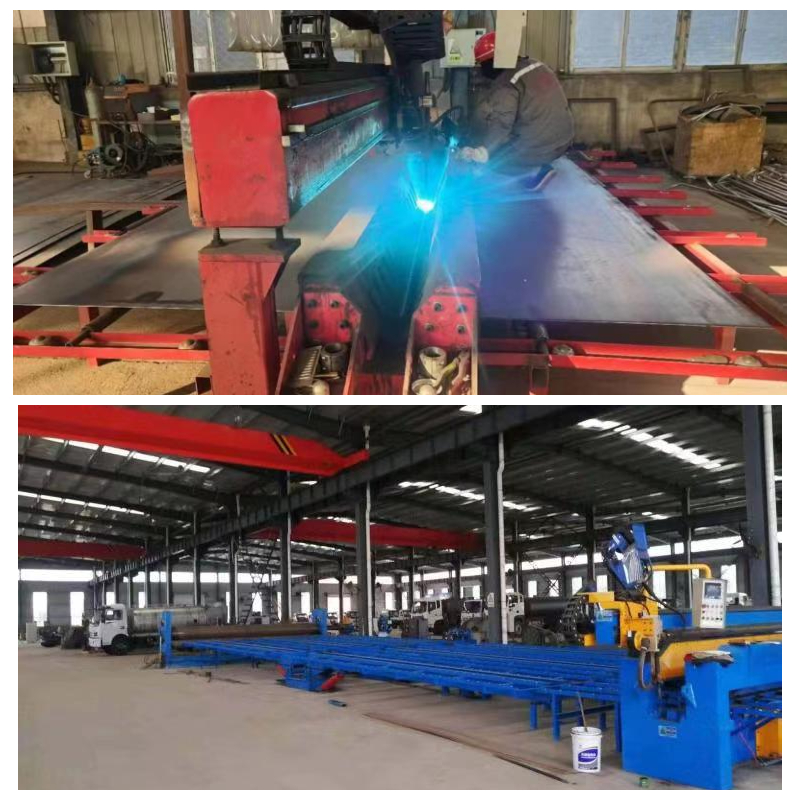
Whatever the configuration, in African conditions these make-or-break specs matter: chassis brand with local parts support (Dongfeng / FAW / HOWO·Sinotruk — verify a service point near you); heavy-duty suspension & high ground clearance for rough roads; corrosion-resistant body for heat/dust/humidity; simple, proven hydraulics your workshop can service; full English docs + spare-parts list + clear lead time.
7. Bottom line: which should YOU buy?
Daily curbside collection, moderate budget, crew available → Rear loader
Standard 240L bins, want to cut labour & speed routes → Side loader
Market/bulky/transfer waste + one flexible chassis → Hook lift
Big city, high volume, high density → Large rear loader compactor
Buy the truck that matches your bin system and your labour, not the brochure's biggest number. Tell us your city's volume, bin type and roads and we'll recommend a machine that genuinely fits — with specs and price for your evaluation.
CTA: Get the spec sheet + a fleet quote. Send your city size / daily tonnage / bin type → we reply with the right model, full specs, factory price & shipping within 24h. Click "Request a Quote" or WhatsApp us.