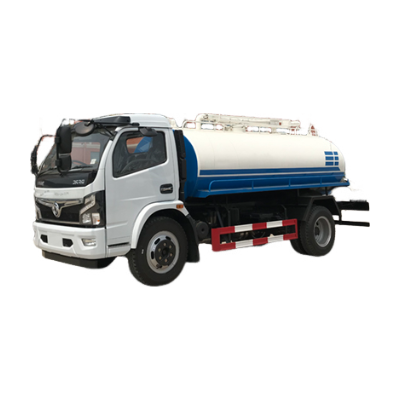
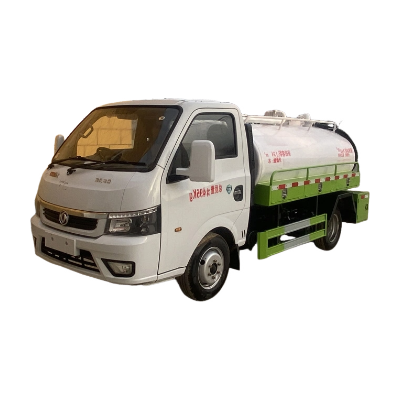
Road Sweeper Machine Guide: What Type Cleans Your City Best
Streets are a city's first impression. But beyond looks, uncleaned roads are a real public-health and drainage problem: dust blows into homes and lungs, silt blocks storm drains, and litter drifts into markets and waterways.
A road sweeper (sweeper truck / street sweeper machine) solves this in one pass — mechanically or by vacuum. But there are several types, and choosing wrong wastes real money. This guide explains how sweepers work, the dry-vs-wet choice, how to size one, and what budget tier fits your operation.
1. What a road sweeper actually does
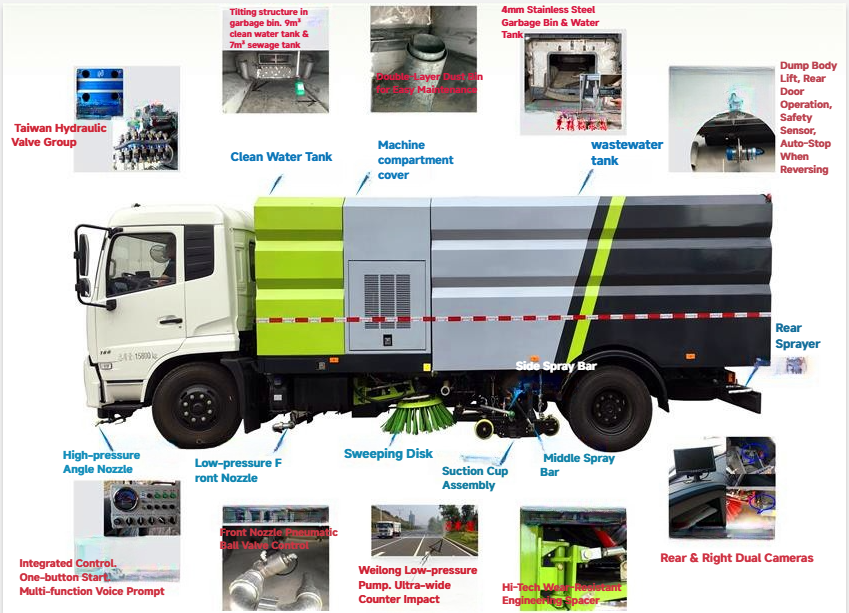
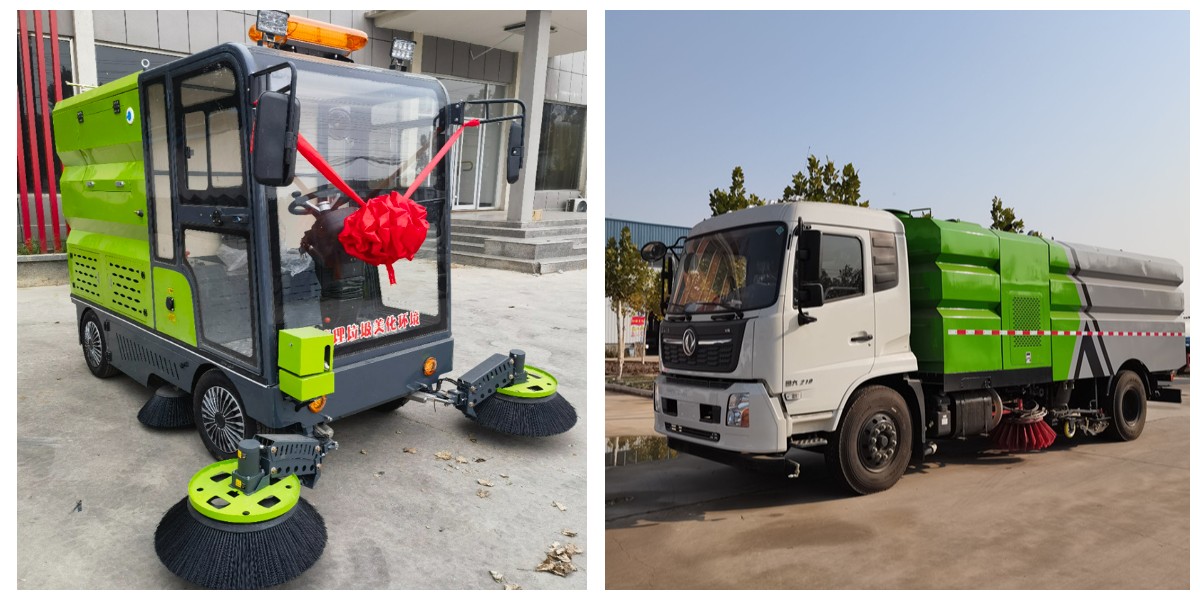
A sweeper collects dust, sand, gravel and litter from paved surfaces using rotating brushes, and stores it in an onboard hopper (garbage bin). There are two core sweep families you need to understand.
2. Mechanical sweepers vs. vacuum sweepers
Mechanical (broom) sweepers use rotating gutter brooms plus a main broom to push material onto a conveyor into the hopper. Simple, robust, and good at heavy debris like gravel and construction spoil. They can pick up larger, heavier objects that a vacuum alone would struggle with.
Vacuum / regenerative-air sweepers use suction to lift fine dust and litter from the surface into the hopper. They excel at fine dust control and leave the cleanest surface, which matters for air quality and for meeting strict environment grades.
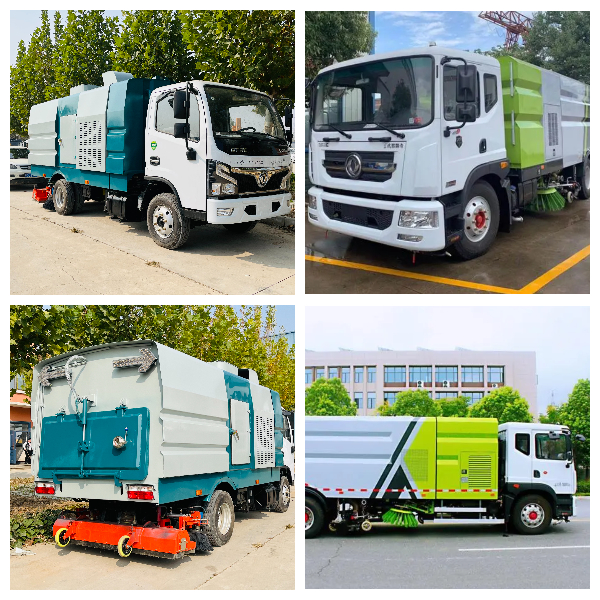
Many modern municipal machines are combination sweepers — mechanical sweep brushes plus vacuum pickup — giving both strength for large debris and clean finish for dust.
Which matters for you? If your streets carry heavy sand/gravel (common in many developing and mining towns), you want strong mechanical brush power. If fine dust and cleanliness grades drive your contract, emphasize vacuum pickup.
3. Dry sweeping vs. wet sweeping (water spraying) — a key Africa decision
Because many African cities are dry, dusty and water-conscious, this choice is decisive:
Dry sweepers collect without water. Best in truly dry months, and preserve scarce water. Main downside: they can stir finer dust unless well-filtered.
Wet / water-spray sweepers continuously spray water around the brushes to bind dust down as they sweep. This is the single most important feature for dusty, unpaved-adjacent or market streets — it stops visible dust plumes and keeps the air cleaner for crews and pedestrians.
Bottom line for Africa: if your routes include unpaved shoulders, markets, construction zones or dry seasons with heavy dust, a sweeper with a water-spray dust-suppression system will perform far better and look dramatically more effective to the public and to authorities.
4. Sizing a sweeper truck: sweep width and hopper volume
Right-sizing keeps your machine busy and your budget sane. Key numbers to send any supplier:
Sweep width — how wide a strip it cleans per pass (often 2.5–3.5 m). Match it to your lane widths so one pass covers a lane.
Hopper (garbage) volume — how much debris it holds before you must dump (typically 3–8 m³). Bigger hopper = fewer trips to the disposal point = higher daily coverage.
Daily coverage — a practical metric: roughly, a sweeper can cover a predictable lane-kilometre range per shift depending on width, dirt load and hopper size.
Send your supplier: average street width, expected debris, distance to disposal site, and how many lane-km per day you must clean — and ask them to calculate a machine, not just quote a brochure model.
5. Single-engine vs. dual (auxiliary) engine
Dual-engine sweepers have a separate small engine that powers only the sweeping/vacuum system. This keeps sweeping power stable and lets the machine sweep well even at low travel speeds, but costs more to buy and to service (two engines).
Single-engine sweepers drive both chassis and sweeping gear from the main engine via PTO. Cheaper to buy and maintain, and increasingly capable — a good value option for many municipal fleets.
Weigh hours per day and cleanliness standard against purchase price. For moderate daily duty and tighter budgets, a quality single-engine unit is usually the smart value; for high-intensity all-day sweeping, the dual-engine layout can pay off.
6. Budget tiers (to compare quotes fairly)
Instead of chasing one price, budget by capability tier:
Entry / economy sweeper — compact, smaller hopper, single engine. Good for parking lots, estates, light municipal duty.
Standard municipal sweeper — medium hopper, water-spray dust control, mechanical+optional vacuum. The workhorse for city streets.
High-performance / heavy-duty — larger, dual-engine or high-power vacuum, bigger hopper for long shifts on high-traffic or industrial-grade routes.
Ask every supplier for an itemized landed-cost quote (machine + freight to your port + taxes) so you compare apples to apples.
7. Chassis & service: what to verify before you pay
Chassis with parts & service in your country (Dongfeng / FAW / HOWO-Sinotruk etc.) — the cheapest frame is false economy if you wait weeks for parts.
Emission standard acceptable for local registration.
Robust build for heat, dust & rough roads; proven filtration so dust doesn't damage the engine.
Full English documentation, spare-parts list, training video for your operators.
Warranty & after-sales in writing.
8. Bottom line: which sweeper should you buy?
Sweeping is about match, not size. Tell us your street widths, debris type, dust level and daily lane-km, and we'll recommend the right sweeper with specs and a delivered price for your evaluation.
Call to Action
Get the road sweeper spec + delivered quote
Send your street type, debris & dust level, daily coverage and budget tier — we'll reply within 24 hours with a matched model, full specs and factory price + shipping to your port.
👉 Click "Request a Quote" or message us on WhatsApp.